Specialists in International Criminal Law and Environmental Crimes.
A boutique consultancy based in The Hague, dedicated to strategic support at the intersection of the environment, human rights, international criminal law and corporate governance.
Technical rigour and strategic vision
Ecocide and International Crimes Group is a boutique consultancy based in The Hague, the city of the International Criminal Court and the International Court of Justice. It grows out of nearly two decades of professional and academic practice in public international law, human rights and international criminal law, centred on international crimes and their victims, strategic litigation and the emerging frontiers of international criminal law, in particular crimes with an environmental dimension.
We work from The Hague, in close connection with the International Criminal Court and the international community of practice, combining litigation with an active programme of research and public commentary.
At a glance
- Based in The Hague, the Netherlands; professionals from Argentina and France, with correspondents in Paris.
- 19 years in public international law · 15 in international criminal law.
- Admitted to the ICC List of Assistants to Counsel (2022).
- Associate member of the ICCBA (2023) and of its Ecocide Working Group (2024).
- Working languages: Spanish, English, French and Dutch.
How we can help
Governments and companies
Governments, ministries, prosecution offices and multilateral organizations
We support States in regulatory design, the strengthening of prosecution offices and strategy before international bodies.
- Transposition of Directive (EU) 2024/1203 and alignment with the Rome Statute
- Protocols and specialized units for environmental crimes
- Case preparation and expert testimony before international tribunals
Companies, boards and funds with environmental exposure
Penal-environmental risk management, governance and due diligence to operate on solid legal ground as the framework tightens.
- Penal-environmental risk mapping across operations and value chains
- Compliance programmes, ESG governance and circular economy
- Defence and response to investigations and litigation
Our methodology
We believe in making things work. What matters is flexibility in strategic direction, because many factors shape every decision.
Before the international courts and institutions
Our practice is built before the International Criminal Court, in constant dialogue with the rest of the international justice system based in The Hague and across the Americas.
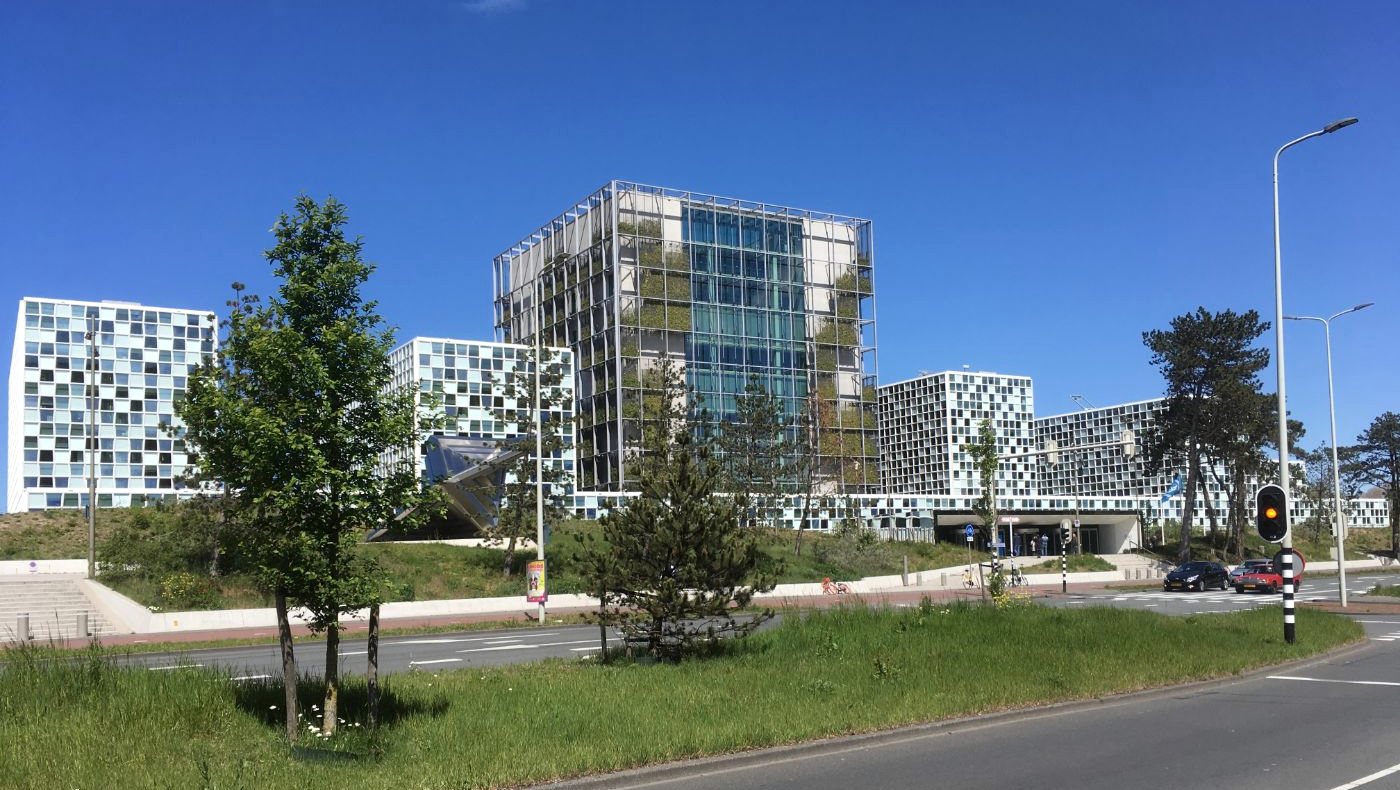
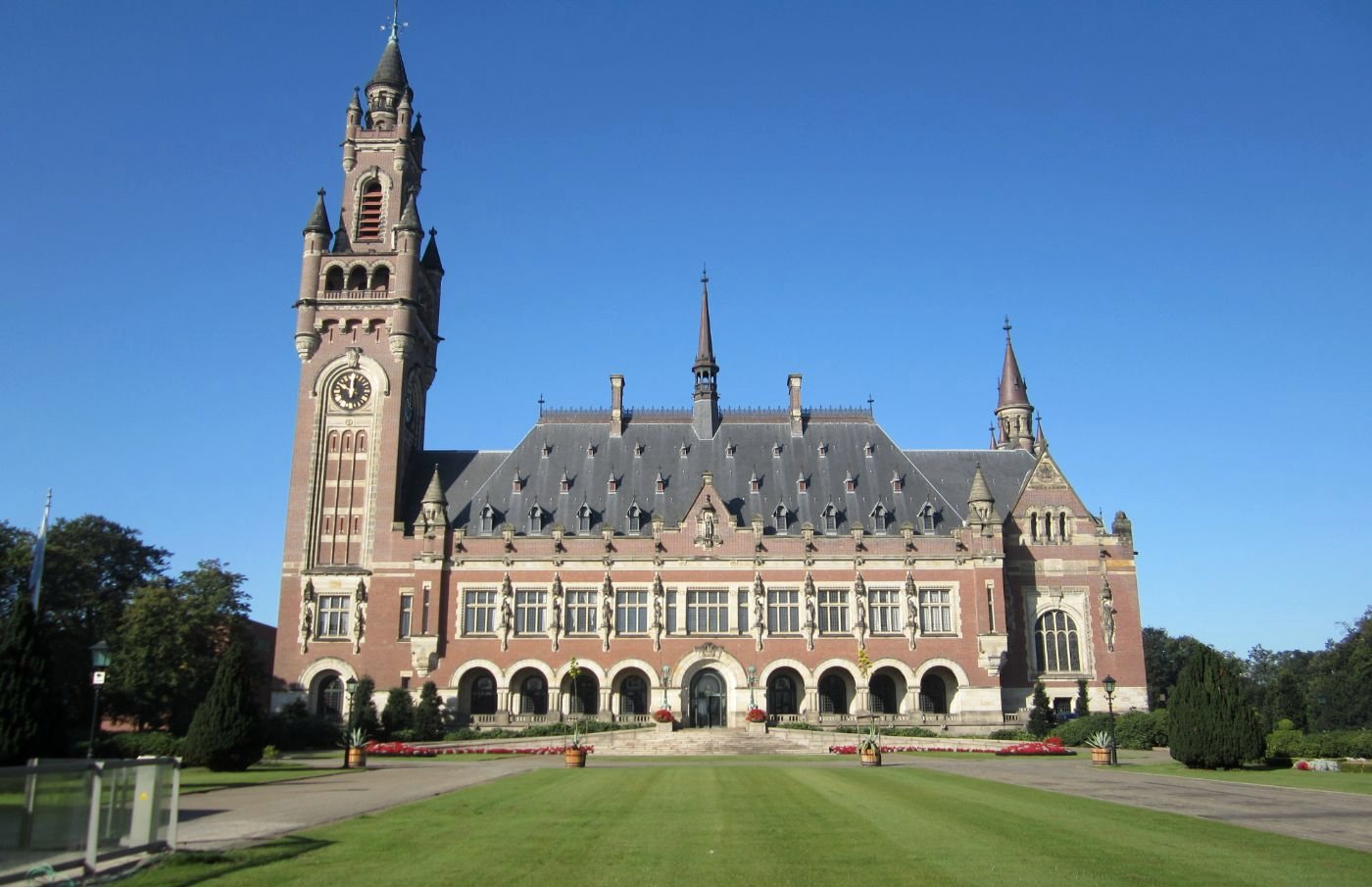
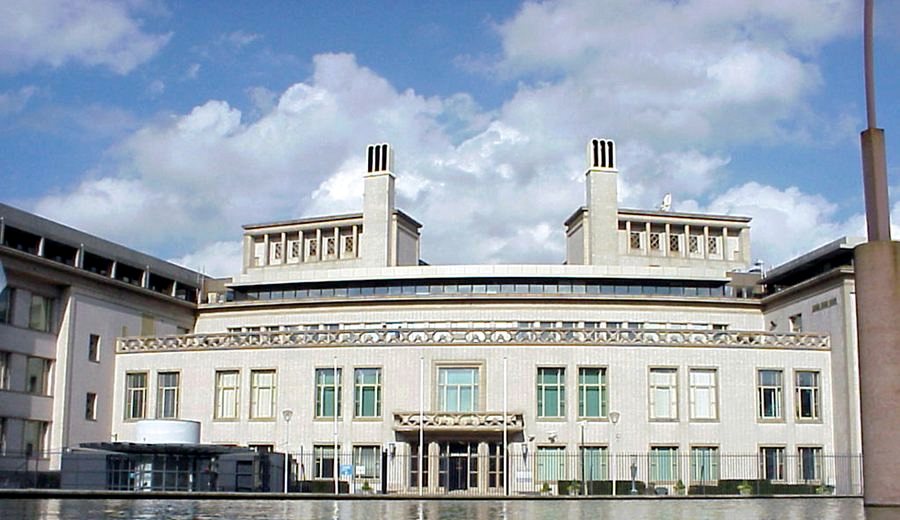
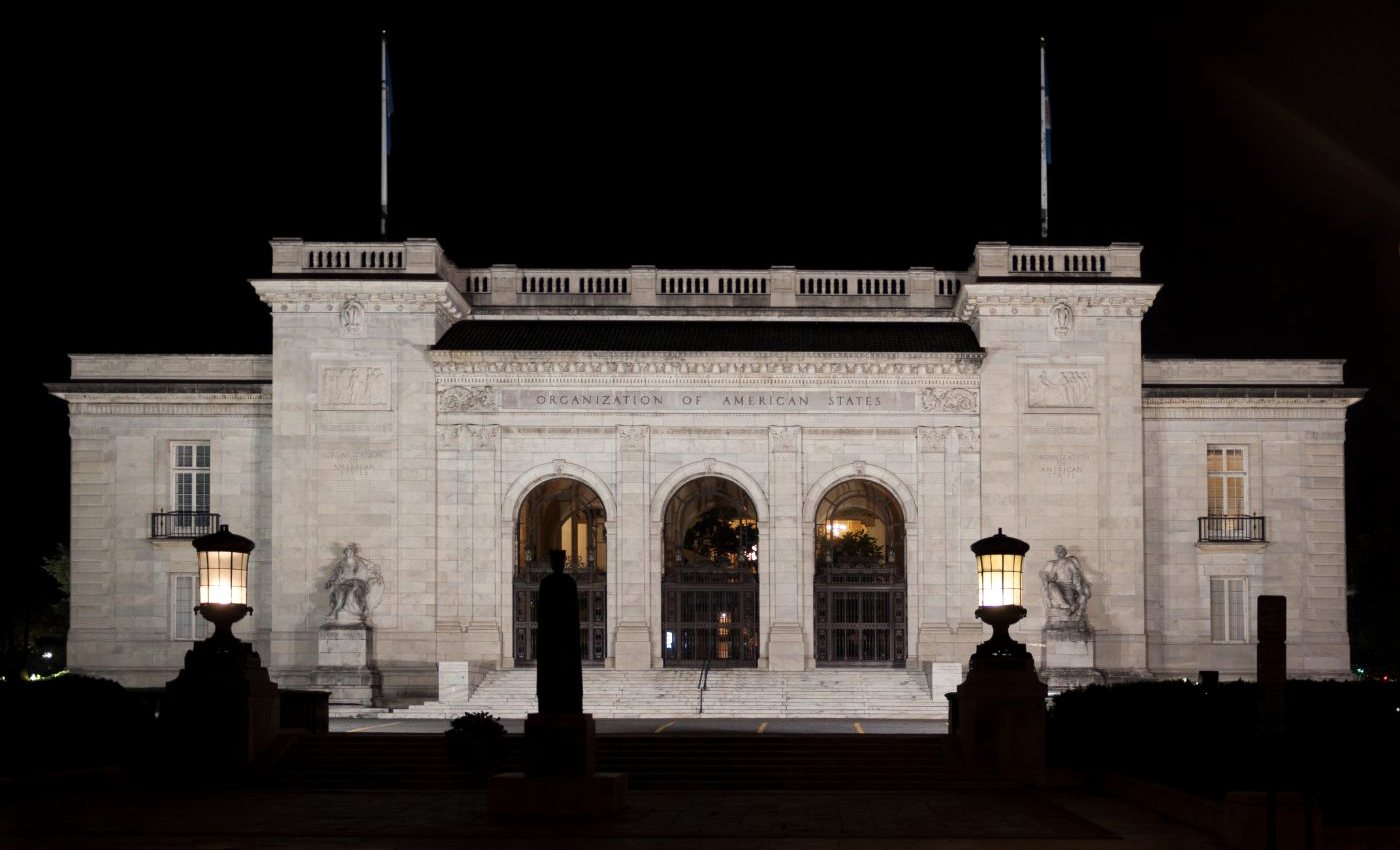
Work before the International Criminal Court
Our connection with the International Criminal Court is the core of the practice: support to teams in situations and cases, and specialised work on victim reparations.
Our team
A multidisciplinary team combining litigation before international tribunals with academic research in international criminal law and human rights.
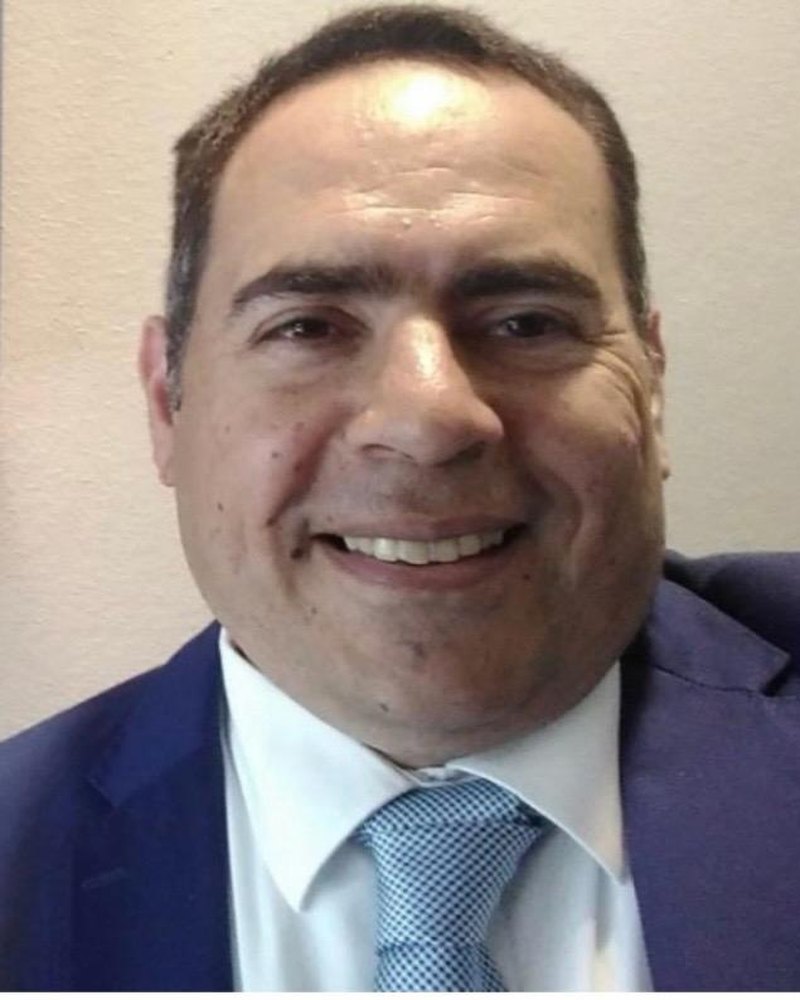
Assistant to Counsel before the ICC and member of the ICCBA. International criminal law, victims and reparations, ecocide.
View profile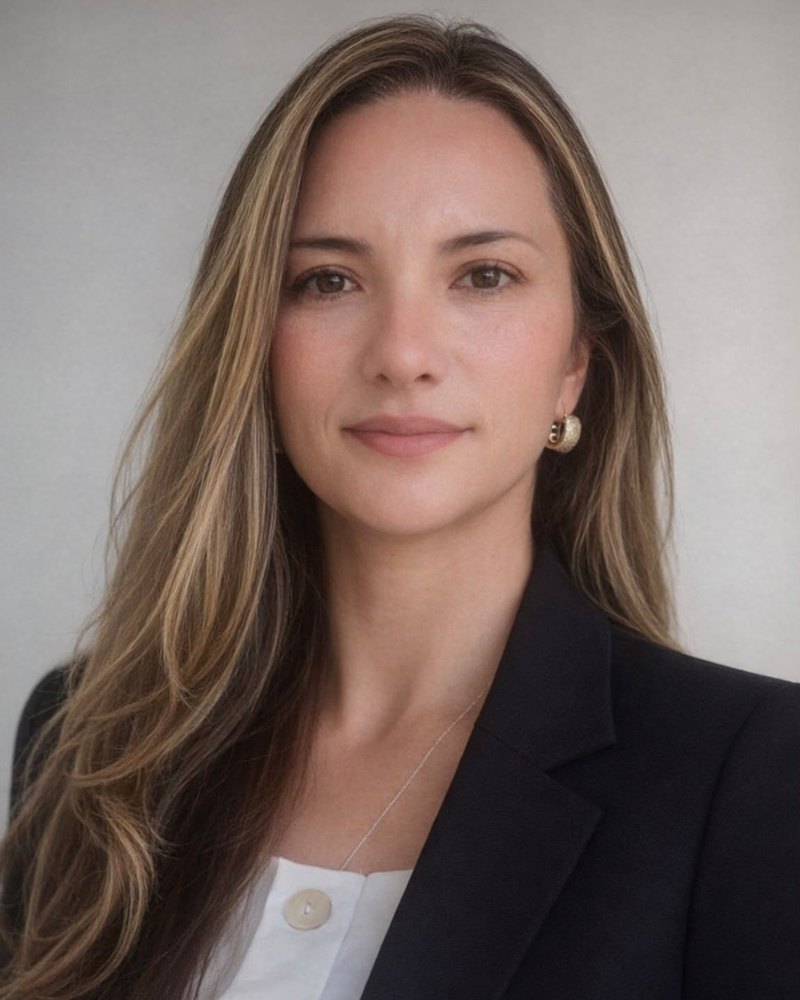
Criminal law and human rights. Counsel for victims before the IACHR and UN mechanisms; Master's in International Criminal Law (UNIR).
View profile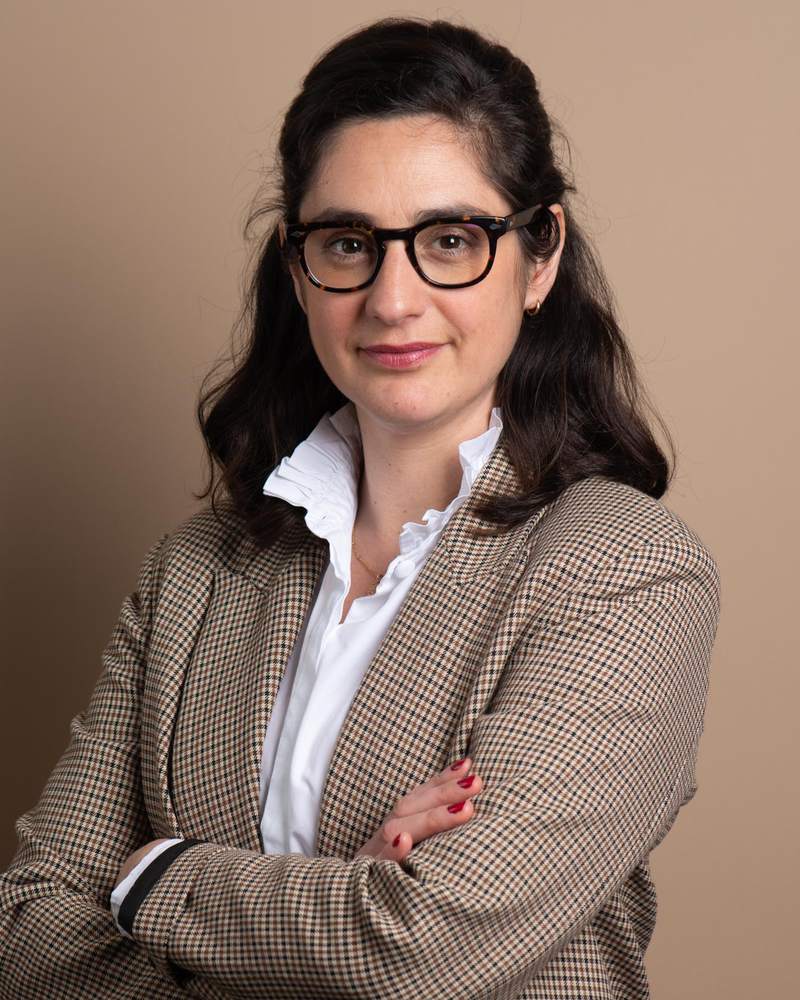
A member of the Paris Bar and founder of Rimailho Avocats. Formerly with the ICTY Office of the Prosecutor and the French Ministry of Foreign Affairs; criminal, immigration and asylum law.
View profile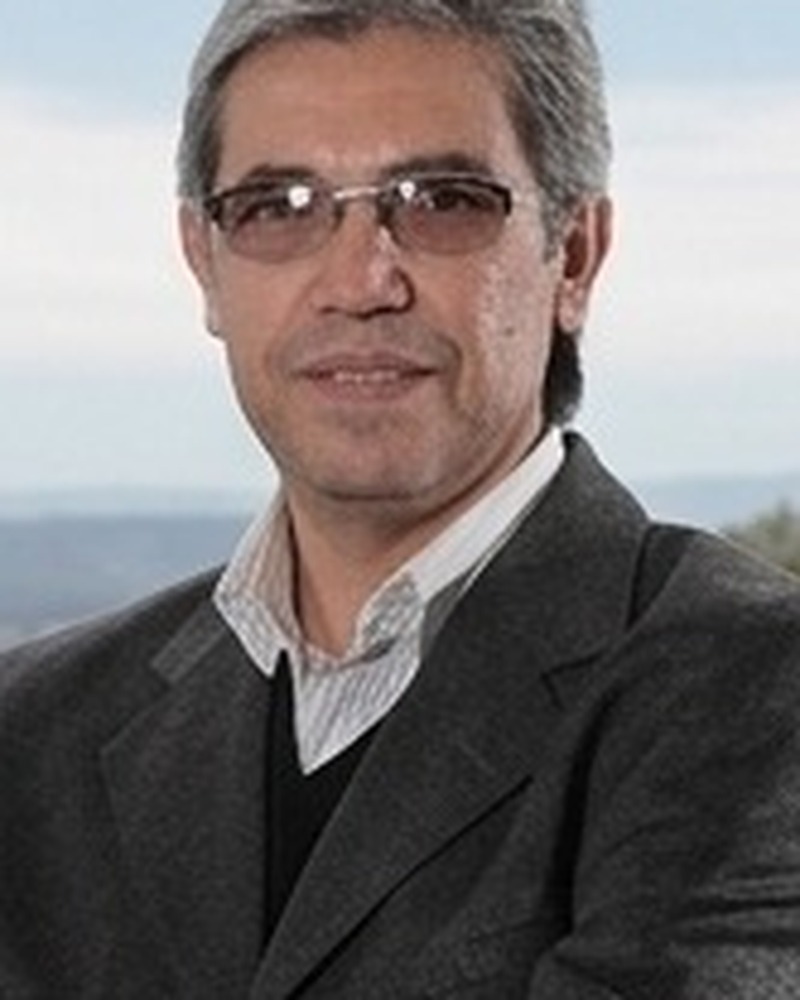
Forensic criminologist and psychologist with more than 25 years of experience in Argentina; former Head of the Criminal Behaviour Analysis Department at the Public Prosecutor's Office of Córdoba and academic director at Universidad Siglo 21.
View profileNews
All newsAnalysis on current international justice
Columns and articles published in the press and in specialised journals.
Frequently asked questions about ecocide, international crimes and EICC
Short answers to the questions we are asked most often.
What is ecocide, and is it already an international crime?
Ecocide, as defined in 2021 by the Independent Expert Panel convened by the Stop Ecocide Foundation, means unlawful or wanton acts committed with knowledge that there is a substantial likelihood of severe and either widespread or long-term damage to the environment being caused by those acts. It is not yet listed among the crimes of the Rome Statute: in September 2024 Vanuatu, Fiji and Samoa submitted an amendment proposal to include it as a fifth crime within the jurisdiction of the International Criminal Court. Several States already criminalise it domestically, and Directive (EU) 2024/1203 punishes conduct "comparable to ecocide".
What does Ecocide & International Crimes Group (EICC) do?
EICC is a boutique legal consultancy based in The Hague, specialised in international criminal law, international environmental law, ecocide and international crimes. It works across six service lines: international environmental criminal law and ecocide; strategic litigation and international representation; advice to governments and organisations; corporate governance, ESG and environmental due diligence; research, expert reports and analysis; and training and capacity building.
Who does EICC advise?
Governments, ministries, prosecution services and multilateral organisations; companies, boards and funds with environmental exposure; and civil-society organisations, universities and affected communities. We work in Spanish, English, Dutch and French, from The Hague and remotely.
Can EICC act before the International Criminal Court?
Yes. Javier Ruiz, Consultant–Director of EICC, is admitted to the International Criminal Court's list of assistants to counsel, acts as Assistant to Counsel for the Defence and Victims, and is a member of the ICCBA. EICC prepares Article 15 communications under the Rome Statute, evidentiary strategies and the representation of victims, communities, organisations and States before the ICC and other international mechanisms.
What does Directive (EU) 2024/1203 require from States and companies?
Directive (EU) 2024/1203 of 11 April 2024 on the protection of the environment through criminal law requires Member States to criminalise an extended list of environmental offences, to provide a qualified offence for conduct comparable to ecocide, to toughen sanctions for natural and legal persons, and to resource prosecutors and courts. The transposition deadline expired on 21 May 2026. For companies, environmental due diligence has become a matter of criminal liability.
How do I start working with EICC?
With an initial meeting at no cost, in person in The Hague or by video call, to understand your objectives, timelines and priorities. We then present a tailored scope proposal with a roadmap and defined deliverables. Write to us from the contact page or call +31 6 185 29720.
An initial meeting, at no cost.
To understand your objectives, timelines and priorities before proposing anything. We work in English, Spanish, Dutch and French.